
Transform Your Pool: Best Practices for Acid Wash Pool Tiles
Acid Washing Pool Tiles in The Woodlands, TX — Safe, Effective, and Cost‑Clear
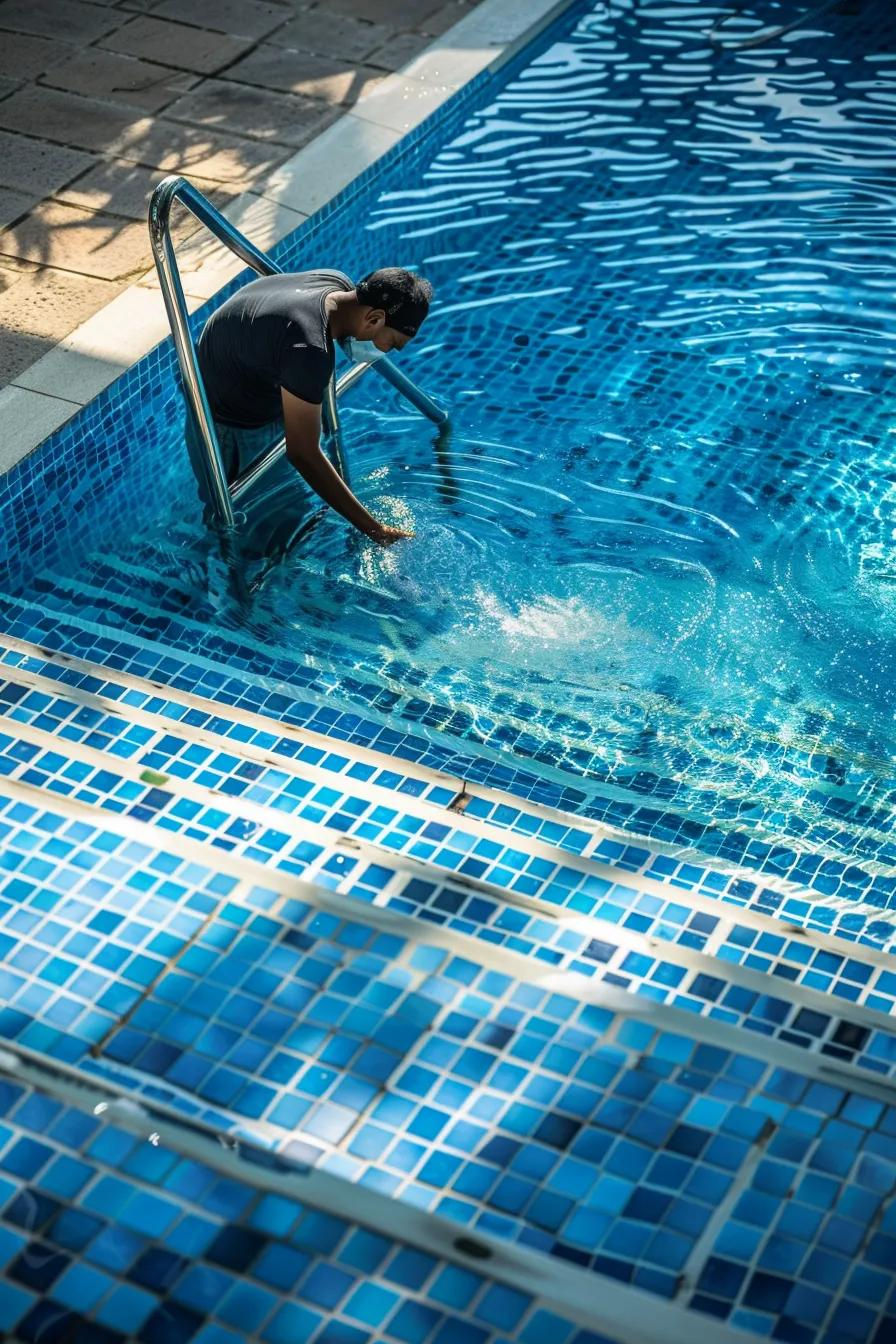
Acid washing is a targeted maintenance step that brings stained, calcium‑coated tiles back to life. Using muriatic acid, technicians dissolve stubborn deposits, lift discoloration, and restore tile color and shine. Below we walk through practical best practices for acid washing pool tiles—why pro service matters, how we protect you and the environment, expected costs, and when to schedule. If unsightly stains or calcium are robbing your pool of its curb appeal, a proper acid wash from trained technicians is the fastest way to make it swim‑ready again.
Why choose professional acid washing for pool tiles?
Professional acid washing protects the tile surface and your investment. Trained crews know how to apply the right dilution, limit contact time, and neutralize residues so tiles get cleaned without being etched. Trying this yourself can lead to avoidable damage or safety hazards—professionals reduce those risks and deliver a predictable result.
What are the risks of DIY acid washing?
DIY acid washing can look like a bargain until something goes wrong. Muriatic acid can burn skin and eyes, fumes can irritate lungs, and improper application or concentration can permanently etch or discolor tiles. Poor disposal practices also risk harming landscaping and local waterways. Hiring experienced technicians keeps your family, property, and local environment safe.
Research reinforces the real chemical‑exposure risks for pool cleaning workers—another reason to rely on trained professionals with proper safety protocols.
Chemical Exposure Risks for Pool Cleaning WorkersA 2022 study evaluated cleaners’ exposure to volatile organic compounds (VOCs), trichloramine (TCA), and particulate matter (PM) in pools and spas, and identified which tasks raise exposure to disinfection byproducts (DBPs).
How Veteran Pool Service protects safety during acid washes
Veteran Pool Service makes safety the baseline. Our technicians wear chemical‑resistant gloves, eye protection, and respirators when needed. We use calibrated dilutions and containment measures, apply neutralizers after cleaning, and follow disposal practices that protect your yard and the local storm system. That attention to process is how we deliver a clean pool without compromising safety.
How acid washing actually removes calcium and stains
Understanding the chemistry helps explain why acid washing works where other methods fall short. When applied correctly, the acid reacts with calcium carbonate and other mineral films, turning them into soluble compounds you can rinse away—revealing the tile’s original finish.
What role does muriatic acid play in tile calcium removal?

Muriatic acid (a diluted form of hydrochloric acid) chemically dissolves scale and mineral stains. Applied to affected areas, it converts stubborn calcium layers into rinsable residues and restores color and sheen. Because the chemical is strong, correct dilution, contact time, and neutralization are essential to avoid surface damage.
Step‑by‑step: professional acid washing procedure
Preparation: Partially drain the pool to expose the tile line and shield surrounding surfaces from splashes.
Application: We mix the acid to the appropriate strength and apply it methodically with professional tools.
Scrubbing: Technicians agitate the treated areas to free deposits without overworking the tile.
Rinsing: Thorough rinsing removes dissolved material and any remaining acid.
Final inspection: We verify the results and re‑balance water chemistry once the pool is refilled.
When should you schedule an acid wash for tile maintenance?
Timing the service properly keeps tiles looking good and prevents longer‑term damage. Here are the common triggers and a recommended cadence.
Common signs you need an acid wash
Visible stains: Dark lines or blotches along the waterline that don’t brush away.
Calcium buildup: White, chalky crusts or rough texture on the tile surface.
Persistent algae: Algae that returns quickly despite regular cleaning can indicate underlying mineral or surface issues.
How often to schedule an acid wash
Frequency depends on water chemistry, usage, and local minerals. As a general rule, plan for acid washing every 3–5 years—or sooner if staining or build‑up becomes noticeable. Regular water care and routine tile cleaning can lengthen the interval between washes.
Costs and value of professional acid wash tile cleaning
Knowing what affects price helps you estimate investment and value. While costs vary, a proper acid wash protects tile longevity and keeps your pool attractive—both meaningful long‑term benefits.
Factors that influence acid washing cost
Pool size: Bigger pools need more product and time.
Extent of staining: Heavy buildup requires extra attention and labor.
Location and access: Tight or hard‑to‑reach pools can increase labor needs.
How acid washing supports tile life and property value
Regular, correctly performed acid washing prevents progressive damage that would otherwise require tile replacement. Well‑maintained tile improves curb appeal and can make your property more attractive to buyers when selling.
Factor | Description | Estimated Cost |
Size of Pool | Larger pools require more materials and labor | $200 - $600 |
Extent of Staining | Heavily stained tiles need more intensive cleaning | $300 - $800 |
Location | Accessibility can affect labor costs | $150 - $400 |
How acid washing compares to other tile‑cleaning methods
Different cleaning methods suit different problems. Here’s how acid washing stacks up against common alternatives.
Acid washing vs. bead blasting vs. pressure washing
Acid washing: Best for mineral scale and deep stains when done by trained pros; requires chemical handling and neutralization.
Bead blasting: Abrasive method that can remove heavy deposits but may be too aggressive for delicate tiles.
Pressure washing: Good for surface dirt and light staining; not as effective on deep calcium buildup.
When to pick acid washing over other techniques
Choose acid washing for mineral scale or stains that won’t budge with brushing or pressure washing. For routine upkeep, brushing, specialty cleaners, or pressure washing may be sufficient and less invasive.
Critical safety measures for acid washing pool tiles
Because muriatic acid is hazardous, strict safety steps are non‑negotiable. Proper PPE, controlled application, and thorough neutralization protect people and property.
Required protective equipment

Gloves: Chemical‑resistant gloves to shield skin.
Goggles: Sealed eye protection to prevent splashes.
Respirators: When needed, masks protect lungs from fumes.
Neutralizing muriatic acid safely
After cleaning, technicians neutralize leftover acid—commonly with sodium bicarbonate (baking soda)—then rinse thoroughly. Proper neutralization prevents harm to tile surfaces, landscaping, and local drainage systems.
Acid washing is an important maintenance option when tiles need more than routine care. With the right team and safety practices, it restores appearance and protects your pool for years of enjoyment.
Frequently Asked Questions
What are the environmental impacts of acid washing pool tiles?
Acid that’s not neutralized or disposed of correctly can damage plants and contaminate local water. Professional crews neutralize and contain waste, following local disposal rules to minimize environmental impact. Hiring a trained company is the safest way to protect your yard and neighborhood waterways.
Can acid washing damage my pool tiles?
Yes—if done improperly. Over‑diluted or over‑applied acid, long contact times, or repeated aggressive treatments can etch or discolor tile. That’s why experienced technicians follow strict procedures to remove deposits while preserving the tile finish.
How should I prepare my pool for acid washing?
Preparation is simple: partially drain the pool to expose the tile line, remove pool furniture and accessories, and cover nearby landscaping or surfaces if needed. Your service provider will handle protective measures and ventilation to limit fumes and splashes during the job.
How long does acid washing take?
Most residential jobs take roughly 2 to 6 hours from prep through final rinse, depending on pool size and staining. Severe buildup or larger pools can take longer—ask your technician for a time estimate based on your pool’s condition.
Are there alternatives to acid washing for pool tile cleaning?
Alternatives include pressure washing, bead blasting, and specialty tile cleaners or mechanical brushing. Pressure washing handles surface grime, and bead blasting removes very heavy deposits but can be abrasive. The best method depends on the type of stain and tile material—professionals can recommend the least invasive effective option.
What should I expect after the acid washing process?
Expect noticeably cleaner, brighter tiles. After refill, water chemistry should be checked and balanced before swimming. You may see a temporary dip in pH that your technician will address. With regular maintenance, the results should last for years.
Conclusion
When tiles show mineral scale or stubborn stains, a professional acid wash restores appearance and helps avoid costly repairs later. Veteran Pool Service combines trained technicians, strict safety practices, and local know‑how to deliver reliable results. Reach out to schedule an assessment and keep your pool looking its best.


Comments